Talk about AI in medicine swings between two extremes. One side promises algorithms will replace doctors any day now. The other waves it all off as toys. The truth, as usual, is both more boring and more interesting.
In my experience, the real value comes from unglamorous things.
Transcription and routine paperwork. Doctors spend a huge share of their day on documentation. If a system listens to the visit and drafts the report, the doctor gets time back for the patient. Simple, measurable effect.
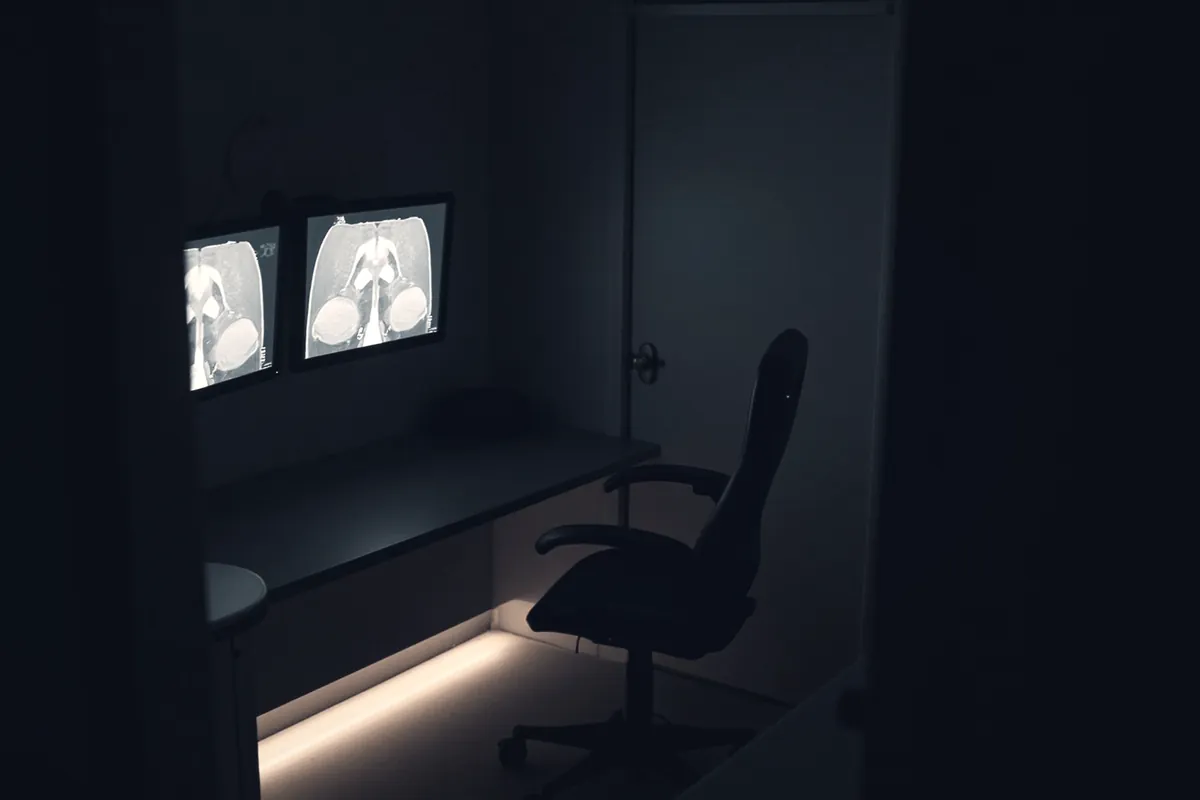
A second pair of eyes. In imaging and lab work, a model acts like an attentive colleague who does not get tired by the end of a shift. It does not diagnose, but it highlights spots worth a second look.
Patient follow-up between visits. Reminders, answers to common questions, a signal to the doctor when something moves outside the typical range. This matters most where observation is long and hands are few.
What does not work: trying to take responsibility away from the doctor and hand it to the system. Regulators, doctors and patients will all refuse, and rightly so. The sound scheme is always the same: the system proposes, the human decides.
One last thing. Medical data is not rows in a table, it is people's lives. Privacy and security here are not legal formalities but part of the architecture from day one.